



Ranking higher on Google has long been a priority for local brands, but the way consumers discover businesses is changing. They’re moving beyond searches like “nearest clothing store” and asking more detailed, and conversational questions. People are looking for the best recommendation tailored to their needs whether that’s a restaurant for dinner, service, or retail store that carries exactly what they’re looking for. Simply ranking on search engines is not going to cut it these days in an AI driven market.
Today’s search might look something like: “Where can I find a highly rated florist near me that offers same-day pickup?” AI models are interpreting those preferences and pulling information from websites, reviews, photos, maps, and public listings to generate personalized recommendations. As an entrepreneur, you don’t want your brand to fall by the wayside as technology continues to reshape how consumers discover, evaluate, and ultimately choose where to spend their money.
In a Capgemini survey, Over half (58%) of consumers have replaced traditional search engines with Gen AI tools for product/service recommendations, a significant jump from 25% in 2023.
SEO Is Rankings. GEO Is Recommendations.
Traditional SEO (search engine optimization) and GEO (generative engine optimization) rely on many of the same fundamentals, including accurate information, strong reviews, quality content, and a trustworthy online presence. Think of it this way: SEO is rankings. GEO is recommendations. SEO helps your brand rank in search results, while GEO helps it appear in conversational recommendations and AI-generated answers.
The future of visibility about helping consumers understand why your brand deserves to be chosen. Here are seven ways to stay ahead and position your brand to be recommended when customers are ready to buy.
1. Make It Easy for Consumers and AI to Understand Your Brand
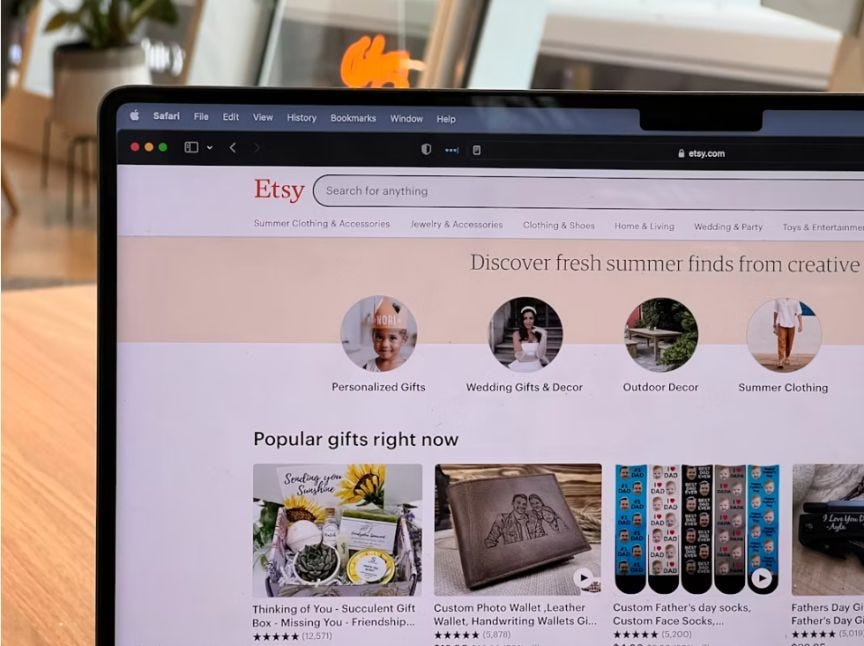
Consumers can’t choose a business they can’t verify. Keep your website, social media profiles, Google Business Profile, and online listings updated with accurate hours, contact information, services, and locations. Consistency helps build trust and makes it easier for recommendation tools to confidently surface your brand.
2. Tell Consumers Exactly What You Offer
If someone lands on your website or social media profile, they should immediately understand what you offer, who you serve, and what sets you apart. The easier your brand is to understand, the easier it is to recommend. Remember, selling starts with clarity.
Important information should be easy to find, not buried in social posts or graphics. Include details such as pricing, unless your services are customized, complex, or premium, along with appointment options, delivery information, return policies, walk-in availability, and a FAQ section and FAQ section.
3. Strengthen Your Digital Footprint
Recommendation tools pull information from multiple sources, not just your website. Keep your Google Business Profile, Yelp listing, social channels, and directory listings active and accurate so consumers encounter the same information wherever they look. As a consumer, I’ve noticed that many businesses forget to update their holiday hours. Imagine someone searching, “Where can I find a candle store open on Christmas Eve?” If your holiday hours aren’t current, your brand could miss an opportunity to be recommended when that customer is ready to buy.
4. Let Your Customers Tell the Story
Detailed reviews and testimonials help potential customers understand the experience you provide while giving recommendation engines more signals about what your brand does best. Ask for feedback after a purchase, visit, or appointment, and respond to every review. Specific comments about products, service, expertise, or customer experience can be especially valuable.
5. Give Consumers Reasons to Believe You
Real photos, customer testimonials, completed projects, product details, pricing information, and credentials create trust. The brands that get recommended most often are the ones providing the real evidence of their expertise. Share recent photos, consumer generated content(CGC)/user-generated content(UGC), product details, credentials, pricing information, and examples of your work. Real evidence builds credibility.

6. Search Like a Customer
Search for your brand the same way a customer would. Pay attention to which brands appear first and what they’re doing well, from their websites and reviews to their social media presence and photos. Compare that experience with your own, then update any outdated or missing information.
7. Measure What Drives Results
I recently came across a post that said the goal is to solve a problem, not simply exist to look good. Another pointed out that real value comes from what you’re teaching, offering, or helping customers achieve. Visibility matters, but conversions happen when people clearly understand how your brand addresses a need. That is why it’s important to measure results. Track calls, website visits, bookings, direction requests, inquiries, and sales. One of the most effective questions you can ask customers is, “How did you hear about us?” Their answers can reveal which channels are actually driving business.
You don’t need to become a data scientist to compete in a changing digital landscape. The brands most likely to be found and recommended are often the ones doing the simplest things well by keeping information current, communicating clearly, earning trust, and creating a consistent experience online. As consumer search behavior continues to evolve, these basics can help your brand stay visible, relevant, and one step ahead of the competition.
Article cover image: Photo by Tim Witzdam | Unsplash
The post The New Era of Digital Discovery: 7 Ways to Help Your Brand Show Up When consumers are Ready to Buy first appeared on FLUENT IN BLK.