


Michael Olise, the Bayern Munich and French national team winger, has turned down every sportswear brand deal that has come his way. Not because each brand puts him off, but because he prefers the freedom to mix and match his gear every matchday.
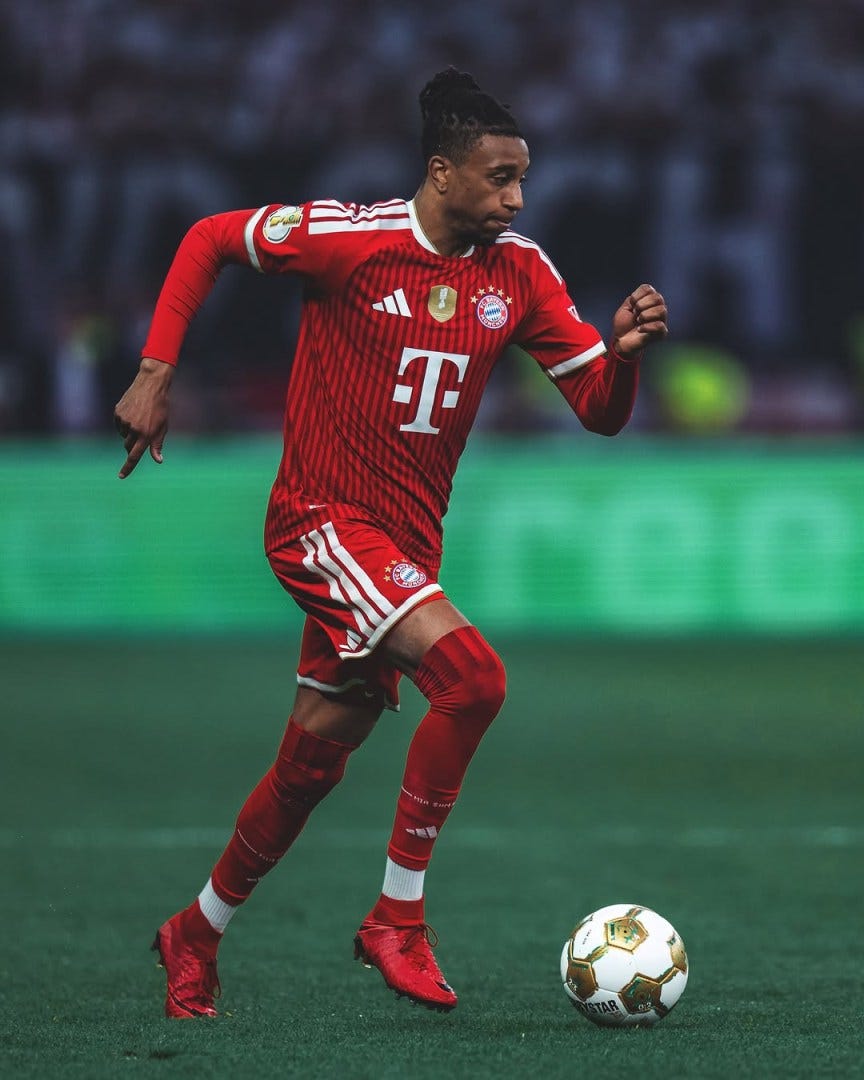
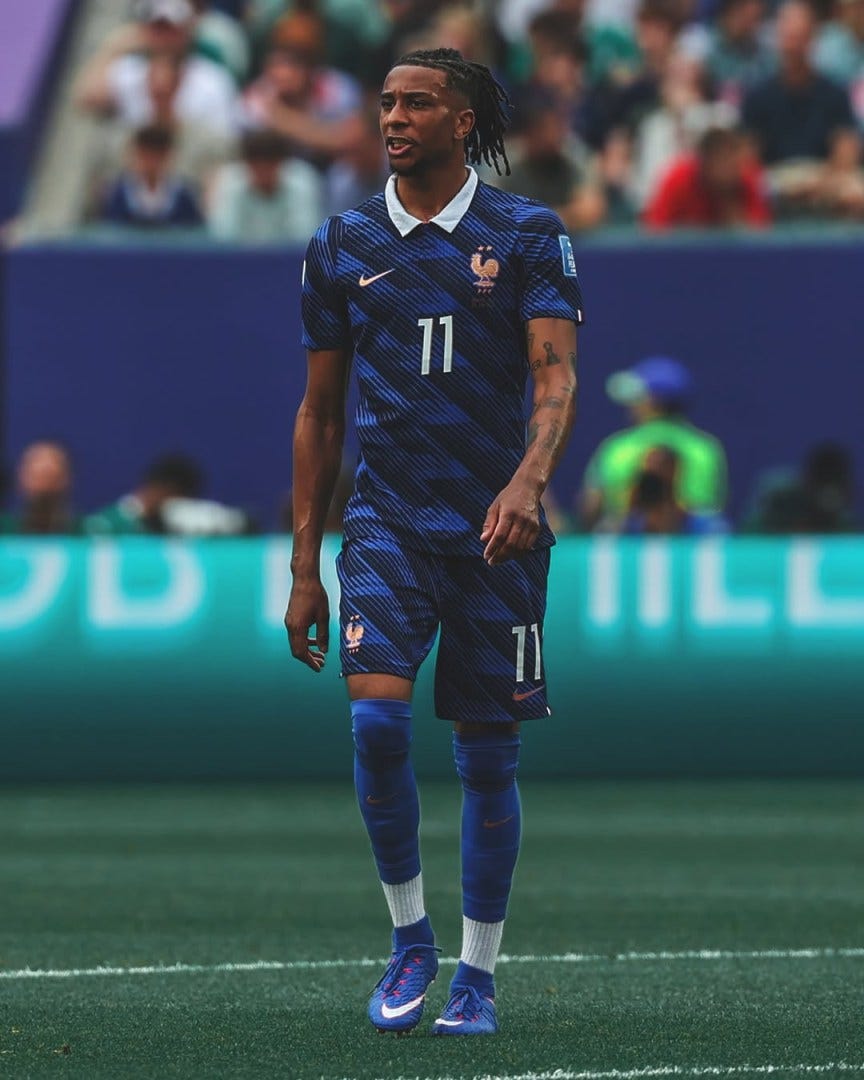
Since his days as a young player at Reading, he has been known to color-code his cleats. He maintained this routine at Crystal Palace and Bayern Munich, bringing that same energy to the FIFA World Cup 2026

. If he is wearing a blue France home kit, you can trust he is wearing blue cleats. If he is wearing Bayern Munich’s home kit, a matching red boot goes onto his feet.
Olise has reportedly declined brand deals from top sports brands like Nike, Adidas, and New Balance. A source recently confirmed to L’équipe that he simply isn’t interested: “He doesn’t have one; it doesn’t interest him at all.” While most well-known athletes are permanently sponsored by popular sportswear brands, Lionel Messi is signed with Adidas, Kylian Mbappé is signed with Nike, Coco Gauff is signed with New Balance, and other sports figures are too. Although he is regularly seen wearing Nike Hypervenoms from 2016 to 2018, he has no affiliation with Nike. He simply loves the cleats and constantly wears them in different custom-made colors, like a regular sneakerhead.
With sportswear sponsorships comes the expectation that athletes wear only the cleats provided by them. Despite the common benefits of monetary value and marketing opportunity for both the brand and the athlete, it removes the choice of color or model. At the FIFA World Cup 2026

, when Nike, Adidas, Puma, and New Balance all released pink cleats, sponsored athletes were expected to wear them regardless of preference. This is the constraint Olise avoids.
According to ITKSpace, he recently rejected detailed proposals from high-profile social media and PR agencies despite their thorough blueprints. The proposal projected a pathway for him to gain over 15 million followers and would also see his commercial value rise to the likes of Jude Bellingham and Erling Haaland. He rejected it to keep his profile entirely under his control, without external influence.
While he avoids the media buzz, his actions stem from his natural personality. Beyond the pitch, he is known to be shy and calm, with fans fondly calling him “Mr. Non-chalant” because of his public persona. Born in a multicultural home in England to a British-Nigerian father and a Franco-Algerian mother, he seems content with his low-key lifestyle.
From Olise’s standpoint, having recently rejected a PR overhaul, he doesn’t seem likely to curate his commercial identity to fit the trend. This raises the question of what brands could be missing out on by not exclusively sponsoring Olise: an exclusive marketing funnel from him or the risk of not getting a star player under their wing?
The future of personal branding in sports could see more athletes follow the same path, choosing their own personal style over strict control. This would lead brands to drop strict exclusivity in favor of more collaboration-style sponsorships, with athletes taking a more active role in the style aspect. That transition could redefine the multi-million-dollar brand machine.
___________________________________________________________________________
Damilola is an editorial writer and culture analyst who’s always chasing the story behind the story, the trends, archives, and details that shape how we live across culture, sports, digital media, and beauty. She’s the founder and editor of Noa, a Substack publication built on curiosity and research-backed commentary, and writes sports and culture features for Athlete Vanity. When she’s not deep in a research rabbit hole, she’s probably still asking one more question.
Click here to follow her on LinkedIn!
The post How Michael Olise Is Defying Football’s Multi-Million-Dollar Brand Machine first appeared on FLUENT IN BLK.