


Let’s talk about what’s really going on. A lot of us are burned out, laid off, or watching the layoffs roll in. So we’re putting more energy into our own businesses, or starting one for the first time, because tomorrow’s corporate America isn’t promised.
And the numbers aren’t fabricated. According to the U.S. Bureau of Labor Statistics, Black unemployment is 7.0%, with about 1,552,000 Black workers out of work. More than 600,000 Black women have left or been pushed out of the labor market since January 2025 mainly due to federal job cuts, anti-DEI policies, and shifts in professional and business services.
“Many small businesses are ready to grow but may not be at the right stage of their journey to access financing through traditional channels,” said Michelle Egan, Head of Credit Solutions, Impact Finance, JPMorganChase. “By strengthening community lenders, we can help more business owners secure flexible capital, grow their businesses, and serve as economic engines in their communities.”
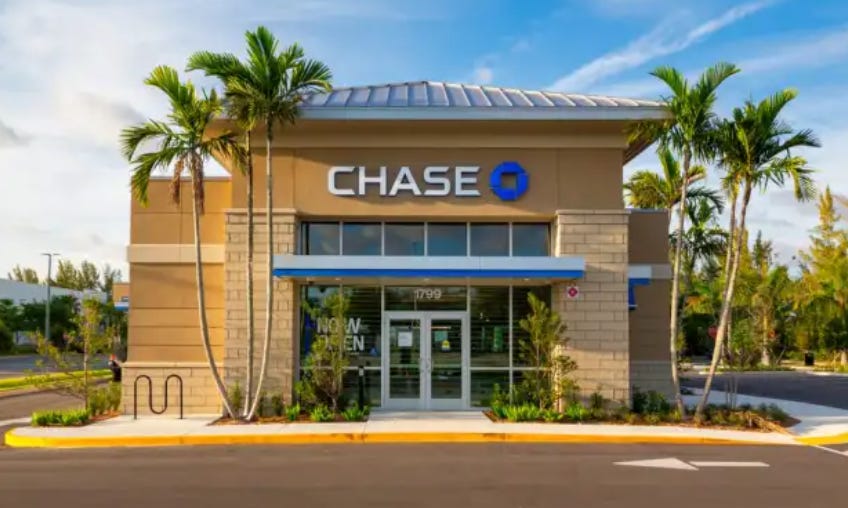
JPMorganChase recently announced that it’s making a $10 million low-cost, long-term loan to ACE (Access to Capital for Entrepreneurs), a Georgia nonprofit lender. The money is expected to fund about 70 small business loans across Georgia, with at least $7.5 million going to Metro Atlanta.
Why low-cost beats what the bank offers
A regular bank loan hits you with high payments from day one, before you’ve made a dime. That’s how people end up working all year just to pay the bank.
Say you open a catering business and borrow $30,000. If most of what you earn goes straight to the loan, you can’t buy that second oven or pay a helper for busy weekends. Lower payments mean that money stays in your business and helps it grow.
“At ACE, we believe small businesses are among the most powerful drivers of economic mobility and community transformation,” said Martina Edwards, president and CEO of ACE. “As the largest single investment of lending capital in our 26-year history, JPMorganChase’s support will help us to reach more entrepreneurs with the affordable capital and support they need to grow, create jobs, strengthen families and revitalize communities across Georgia.”

Money without a plan can sink you
What Black entrepreneurs want to see is money and support. Plenty of people get the check and still lose the business, because there’s no plan for pricing, cash flow, or growth. That’s usually not a lack of guidance. ACE gives borrowers free one-on-one coaching and connections to other business owners.
What to know before you apply
ACE hasn’t shared loan amounts, rates, or how to apply yet but we anticipate it to come rolling in soon.
Here are a few of ACE’s current loan details
ACE’s credit requirements: a minimum credit score of 600, plus collateral.
Get ready now: ACE recommends you check your credit score first. You can pull your report free once a year at annualcreditreport.com. Look for mistakes and get them fixed.
Need help with your credit? ACE works with Operation HOPE and Money Management International (MMI) agencies that offer a free one-on-one consultation that will help you find out your credit score, and put together a plan of action.
Women can sign up for ACE’s Women’s Business Center in Atlanta for grant resources, help starting a business, and coaching.
Disclosure: This post is not sponsored. I have no partnership with, and received no payment or commission from, Chase Bank or ACE Loans.